Nachhaltigkeit bei MAKANI
Unser Weg zu umweltfreundlichen Materialien
Einleitung
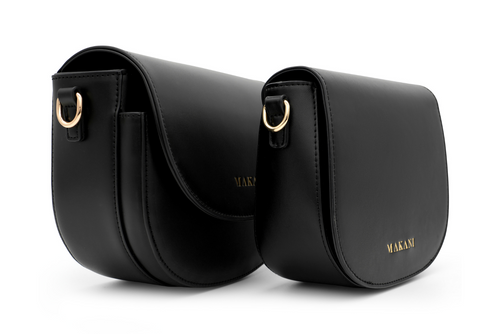
In einer Welt, die zunehmend von der Notwendigkeit nachhaltiger Lebensweisen geprägt ist, setzt MAKANI auf Verantwortung und Bewusstsein. Unsere Entscheidung für PU-Leder (Erklärung im nächsten Schritt) in der Produktion unserer Kollektionen spiegelt unseren Wunsch wieder, Schönheit und Luxus ohne Kompromisse zu bieten. Bei jedem Schritt von der Konzeption bis zum fertigen Produkt stehen ethische Verantwortung und die Förderung des Tierwohls im Mittelpunkt unserer Bemühungen.
Was ist PU Leder?
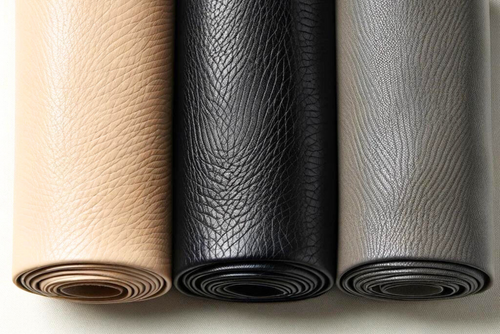
PU-Leder, auch bekannt als Kunstleder, ist ein innovatives Material, das die Optik und Haptik von echtem Leder nachahmt, ohne dabei auf Tierprodukte zurückzugreifen. Es handelt sich um eine künstlich hergestellte Alternative, die aus Polyurethan, einem Typ von Kunststoff, gefertigt wird. Diese Wahl bietet eine umwelt- und tierfreundliche Lösung, da die Herstellung von PU-Leder im Vergleich zu traditionellem Leder weniger Ressourcen verbraucht und keine Tiere beeinträchtigt. Ein wesentlicher Vorteil von PU-Leder ist seine Fähigkeit, die ästhetischen Qualitäten von echtem Leder zu bieten, während es gleichzeitig ethische und ökologische Bedenken adressiert. Das Material ist nicht nur für den Planeten und die Tierwelt schonender, sondern überzeugt auch durch seine Qualität und sein Design. PU-Leder zeigt, dass es möglich ist, Stil und Nachhaltigkeit zu vereinen, ohne Kompromisse bei der Ästhetik einzugehen.
Warum nutzen wir PU Leder?
PU-Leder ist für uns mehr als nur eine Alternative zu traditionellem Leder; es ist ein Statement für die Zukunft. Durch die Wahl von PU-Leder können wir:
Reduzierung der Umweltauswirkungen:
Die Produktion von PU-Leder verbraucht signifikant weniger Wasser und Energie und setzt deutlich weniger Schadstoffe frei als die herkömmliche Lederherstellung. Diese Effizienz hilft uns, die Natur zu schützen und gleichzeitig hochwertige Produkte zu schaffen.
Tierwohl:
Jedes Stück aus unserer PU-Leder-Kollektion steht für unser Engagement gegen Tierleid. Wir bieten unseren Kunden die Möglichkeit, mit ihrem Kauf direkten Einfluss zu nehmen und eine ethische Wahl zu treffen.
Innovation und Qualität:
Moderne Technologien ermöglichen es uns, PU-Leder so zu verarbeiten, dass es nicht nur echtlederähnliche Eigenschaften aufweist, sondern diese in manchen Aspekten sogar übertrifft. Unsere Produkte sind ein Beweis dafür, dass Nachhaltigkeit und Stil Hand in Hand gehen können.
Unsere Nachhaltigkeitsziele
Unsere Vision einer nachhaltigeren Zukunft ist tief in der DNA von MAKANI verankert. Zu unseren Hauptzielen gehören:
Reduzierung von Abfall: Wir streben danach, unsere Produktionsprozesse so effizient wie möglich zu gestalten, um Materialverschwendung zu vermeiden und Recycling wo immer möglich zu fördern.
Energieeffizienz: Durch Investitionen in energieeffiziente Technologien und erneuerbare Energien verringern wir unseren CO2-Fußabdruck und leisten einen Beitrag zum Klimaschutz.
Förderung des Bewusstseins: Wir sehen es als unsere Aufgabe, das Bewusstsein für die Bedeutung von nachhaltigem Konsum zu schärfen. Über unsere Plattformen teilen wir Wissen und inspirieren unsere Community, bewusste Entscheidungen zu treffen.
Unser Produktionsprozess
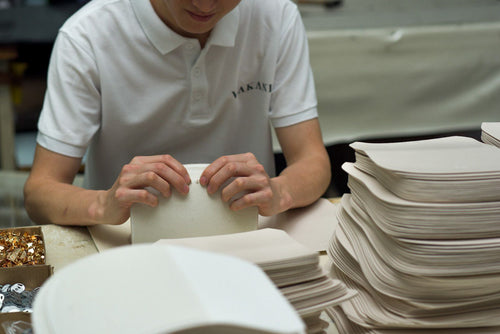
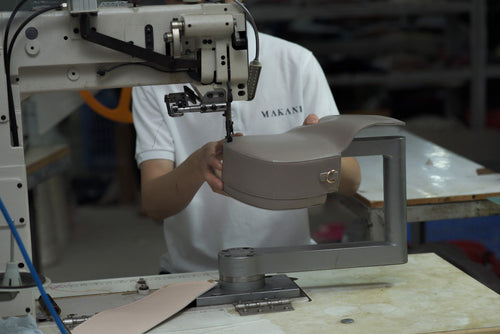
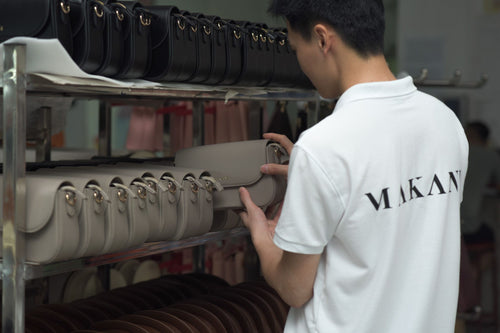
Unsere Verpflichtung zu Nachhaltigkeit zeigt sich in jedem Schritt unseres Produktionsprozesses. Wir arbeiten kontinuierlich daran, unsere Herstellungsmethoden zu verbessern, um den Energieverbrauch zu senken und Abfall zu reduzieren. Durch die Auswahl von Lieferanten, die unsere Werte teilen, stellen wir sicher, dass jede Komponente unserer Produkte den höchsten Nachhaltigkeitsstandards entspricht.
Abschluss
Bei MAKANI glauben wir an eine Welt, in der Mode und Verantwortung sich nicht ausschließen, sondern perfekt ergänzen. Unsere Kollektionen aus umweltfreundlichem PU-Leder sind ein klares Zeichen unseres Einsatzes für Nachhaltigkeit, außergewöhnliche Qualität und kreatives Design. Jedes MAKANI-Produkt ist mehr als nur ein Accessoire; es ist ein Statement für bewussten Konsum und eine lebenswerte Zukunft. Wir laden dich ein, Teil dieser Bewegung zu werden und mit jedem Kauf ein Zeichen für verantwortungsbewusste Mode zu setzen.
In einer Zeit, in der immer mehr Menschen Wert auf die Herkunft und Ethik ihrer Mode legen, steht MAKANI für eine Auswahl, die nicht nur stilvoll, sondern auch nachhaltig ist. Wenn du dich für MAKANI entscheidest, unterstützt du eine Marke, die sich für einen positiven Wandel in der Modeindustrie stark macht. Entdecke unsere Kollektionen und finde Produkte, die nicht nur deinen Stil, sondern auch deine Werte zum Ausdruck bringen und dir helfen, sowohl ästhetisch als auch ethisch ein Statement zu setzen.